
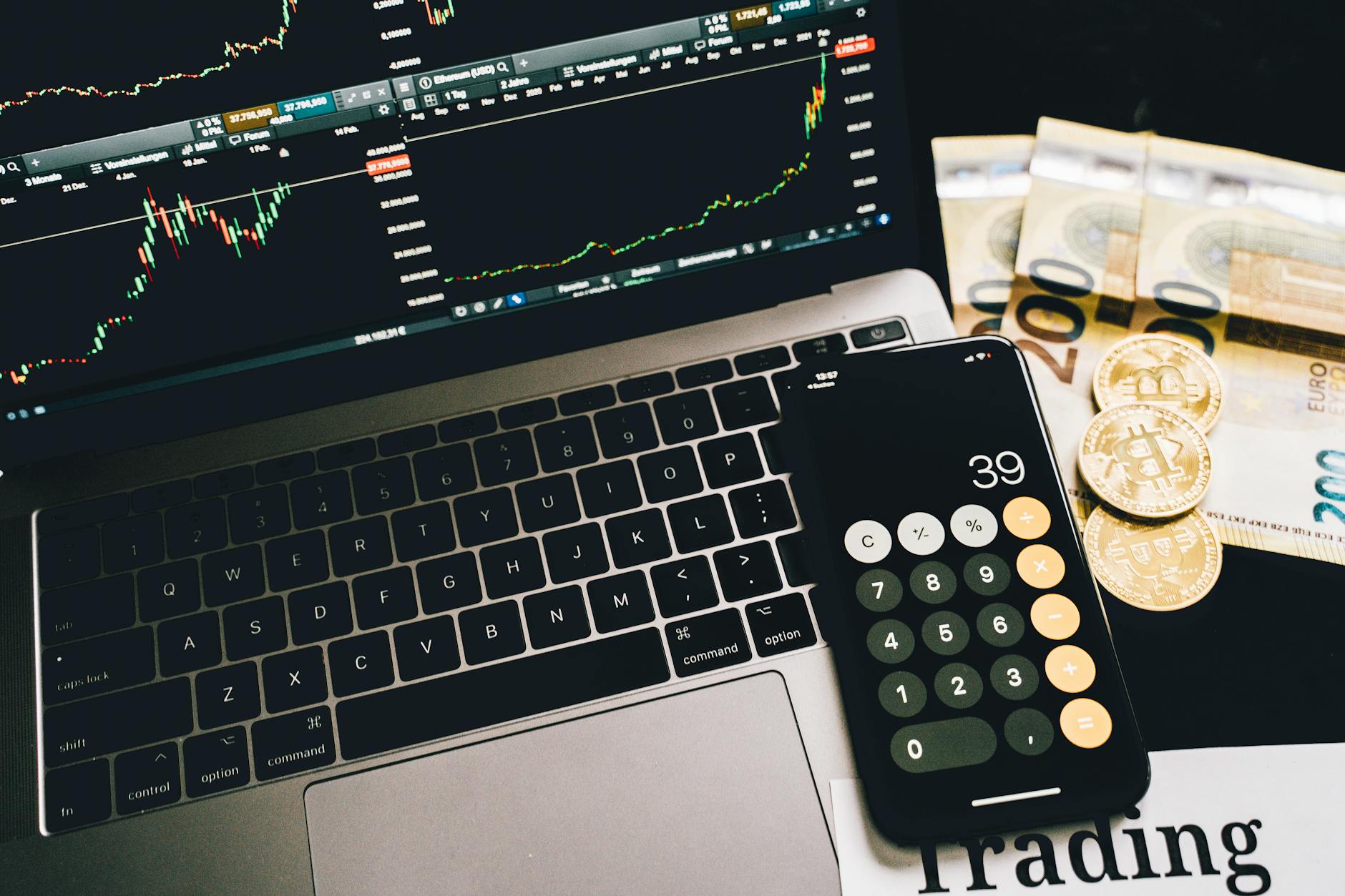
How to Buy Crypto in Germany: Complete Step-by-Step Guide for Expats and Beginners in 2026
Learning how to buy crypto in Germany as an expat can seem overwhelming, but with the right guidance and legal framework understanding, you can safely enter the digital asset market. Germany has established clear regulations for cryptocurrency trading, making it one of Europe’s most crypto-friendly countries for both residents and newcomers.
This comprehensive guide will walk you through everything you need to know about purchasing cryptocurrency in Germany, from choosing the right platform to understanding tax obligations and legal requirements.
buy crypto in Germany: Legal Framework for Cryptocurrency in Germany
Germany recognizes cryptocurrencies as private money (Privatgeld) and digital assets, not as legal tender. The Federal Financial Supervisory Authority (BaFin) regulates crypto services, ensuring consumer protection and market integrity.
As an expat, you have the same rights as German residents to buy, hold, and trade cryptocurrencies. However, you must comply with German tax laws and reporting requirements, regardless of your citizenship status.
The good news is that Germany offers favorable tax treatment for long-term crypto holdings. If you hold cryptocurrencies for more than one year, any gains from selling are completely tax-free for private investors.
Essential Requirements Before Buying Crypto
Before you can start purchasing cryptocurrencies in Germany, you’ll need several essential documents and accounts. Most importantly, you’ll need a German bank account to fund your crypto purchases.
Opening a German bank account is straightforward with modern digital banks. N26 Bank offers quick account opening for expats with minimal documentation requirements and instant SEPA transfers that work seamlessly with crypto exchanges.
You’ll also need a valid government-issued ID (passport or German residence card), proof of address in Germany, and a mobile phone number for two-factor authentication on crypto platforms.
| Requirement | Details | Timeline |
|---|---|---|
| German Bank Account | SEPA-enabled account for transfers | 1-3 days with digital banks |
| Identity Verification | Passport or German ID card | Immediate |
| Address Proof | Utility bill or registration certificate | Immediate if available |
| Phone Verification | German mobile number preferred | Immediate |
Best Cryptocurrency Exchanges for German Residents
Several reputable cryptocurrency exchanges serve the German market with full regulatory compliance. Coinbase, Kraken, and Bitpanda are among the most popular choices for beginners due to their user-friendly interfaces and strong security measures.
Coinbase offers the easiest onboarding process with a simple mobile app and extensive educational resources. The platform supports over 200 cryptocurrencies and provides instant purchases with bank transfers.
Kraken appeals to more experienced traders with advanced trading features, lower fees, and excellent security reputation. The exchange has been operating since 2011 and has never been successfully hacked.
Bitpanda, based in Austria, provides seamless SEPA integration and supports both cryptocurrencies and traditional assets like stocks and ETFs, making it ideal for diversified portfolios.
Step-by-Step Guide to Buying Your First Cryptocurrency
Once you’ve chosen your preferred exchange and gathered the necessary documents, the actual purchase process is straightforward. Start by creating an account on your chosen platform and completing the mandatory identity verification process.
Most exchanges require you to upload a photo of your ID document and a selfie for verification. This process typically takes 1-3 business days, though some platforms offer instant verification during peak hours.
After verification, link your German bank account to the exchange. You can usually do this by providing your IBAN and completing a small test transaction to verify ownership.
To make your first purchase, navigate to the “Buy” section of the platform, select your desired cryptocurrency (Bitcoin and Ethereum are popular starter choices), enter the amount you want to invest, and confirm the transaction.
Understanding Fees and Costs
Cryptocurrency exchanges charge various fees that can impact your investment returns. Trading fees typically range from 0.1% to 1.5% per transaction, depending on the platform and your trading volume.
SEPA bank transfers are usually free or cost minimal fees (€0.50-2.00), making them the most cost-effective funding method. Credit card purchases often carry higher fees (3-5%) but offer instant availability of funds.
Some platforms offer reduced fees for higher-volume traders or users who hold the exchange’s native token. Research fee structures carefully, as they can significantly impact smaller investments over time.
Security Best Practices for Crypto Storage
Security should be your top priority when buying and storing cryptocurrencies. Never store large amounts on exchanges for extended periods, as these platforms can be targets for hackers.
For beginners, software wallets like Exodus or Trust Wallet provide a good balance of security and usability. These wallets give you control of your private keys while maintaining user-friendly interfaces.
For larger investments, consider hardware wallets like Ledger or Trezor. These physical devices store your cryptocurrencies offline, providing maximum security against online threats.
Always enable two-factor authentication (2FA) on all your crypto-related accounts and use unique, strong passwords. Consider using a password manager to maintain security across multiple platforms.
Tax Implications for Crypto Investors in Germany
Germany’s cryptocurrency tax laws are among the most favorable in Europe for long-term investors. Private individuals who hold cryptocurrencies for more than one year pay zero capital gains tax on profits.
However, short-term trading (holding for less than one year) is subject to income tax rates, which can reach up to 45% for high earners. Keep detailed records of all transactions, including purchase dates, amounts, and prices.
If your annual crypto gains exceed €600, you must report them in your tax return. The €600 threshold applies to all private sales transactions, not just cryptocurrencies.
Consider using crypto tax software like Blockpit or CoinTracking to automatically calculate your tax obligations and generate reports for your annual tax filing.
Maximizing Your Crypto Purchases with Cashback
Smart expats can maximize their crypto investment budget by earning cashback on related purchases. Shoop Cashback offers cashback opportunities when shopping for hardware wallets, crypto books, or other investment-related items online.
Many German retailers participating in cashback programs can help you save money that you can then redirect into your cryptocurrency investments, effectively increasing your buying power.
Common Mistakes to Avoid
New crypto investors often make costly mistakes that can be easily avoided with proper knowledge. Never invest more than you can afford to lose, as cryptocurrency markets are highly volatile.
Avoid FOMO (Fear of Missing Out) buying during price surges. Instead, consider dollar-cost averaging by making regular small purchases regardless of price movements.
Don’t neglect security measures or leave funds on exchanges indefinitely. Many beginners also forget to keep detailed transaction records, which creates problems during tax season.
Research thoroughly before investing in any cryptocurrency. Stick to well-established coins like Bitcoin and Ethereum when starting, and avoid investing based on social media hype or tips from unverified sources.
Building a Long-Term Investment Strategy
Successful crypto investing in Germany requires a long-term perspective and disciplined approach. Take advantage of the tax-free status for holdings over one year by developing a buy-and-hold strategy.
Diversification remains important even within cryptocurrency portfolios. Consider allocating percentages to different types of digital assets: store-of-value coins (Bitcoin), smart contract platforms (Ethereum), and emerging sectors like DeFi or NFTs.
Regular portfolio rebalancing helps maintain your desired asset allocation as prices fluctuate. Set specific goals and time horizons for your investments to avoid emotional decision-making during market volatility.
Stay informed about regulatory developments in Germany and the EU, as changes in legislation can impact your investment strategy and tax obligations.
Do I need to be a German citizen to buy cryptocurrency in Germany?
No, you don’t need German citizenship to buy cryptocurrency in Germany. As an expat with legal residence, you have the same rights to purchase and trade cryptocurrencies as German citizens. You’ll need a German bank account and must comply with German tax laws regardless of your nationality.
What is the minimum amount I can invest in cryptocurrency in Germany?
Most German-compliant exchanges allow minimum purchases as low as €1-10, making cryptocurrency accessible to beginners. However, consider exchange fees when making small purchases, as they can represent a significant percentage of your investment.
How are cryptocurrency gains taxed in Germany?
In Germany, cryptocurrency gains are tax-free if you hold the assets for more than one year. For holdings under one year, gains are taxed as income at your regular tax rate. Annual gains over €600 must be reported in your tax return.
Which cryptocurrency exchange is best for beginners in Germany?
Coinbase is often recommended for beginners due to its user-friendly interface, educational resources, and regulatory compliance in Germany. Bitpanda is another excellent choice with seamless SEPA integration and support for both crypto and traditional assets.
Is it safe to store cryptocurrency on exchanges in Germany?
While German-regulated exchanges implement strong security measures, it’s not recommended to store large amounts long-term on any exchange. For maximum security, transfer your cryptocurrencies to a personal wallet, preferably a hardware wallet for significant investments.
Featured image by Alesia Kozik via Pexels.
Leave a Reply