
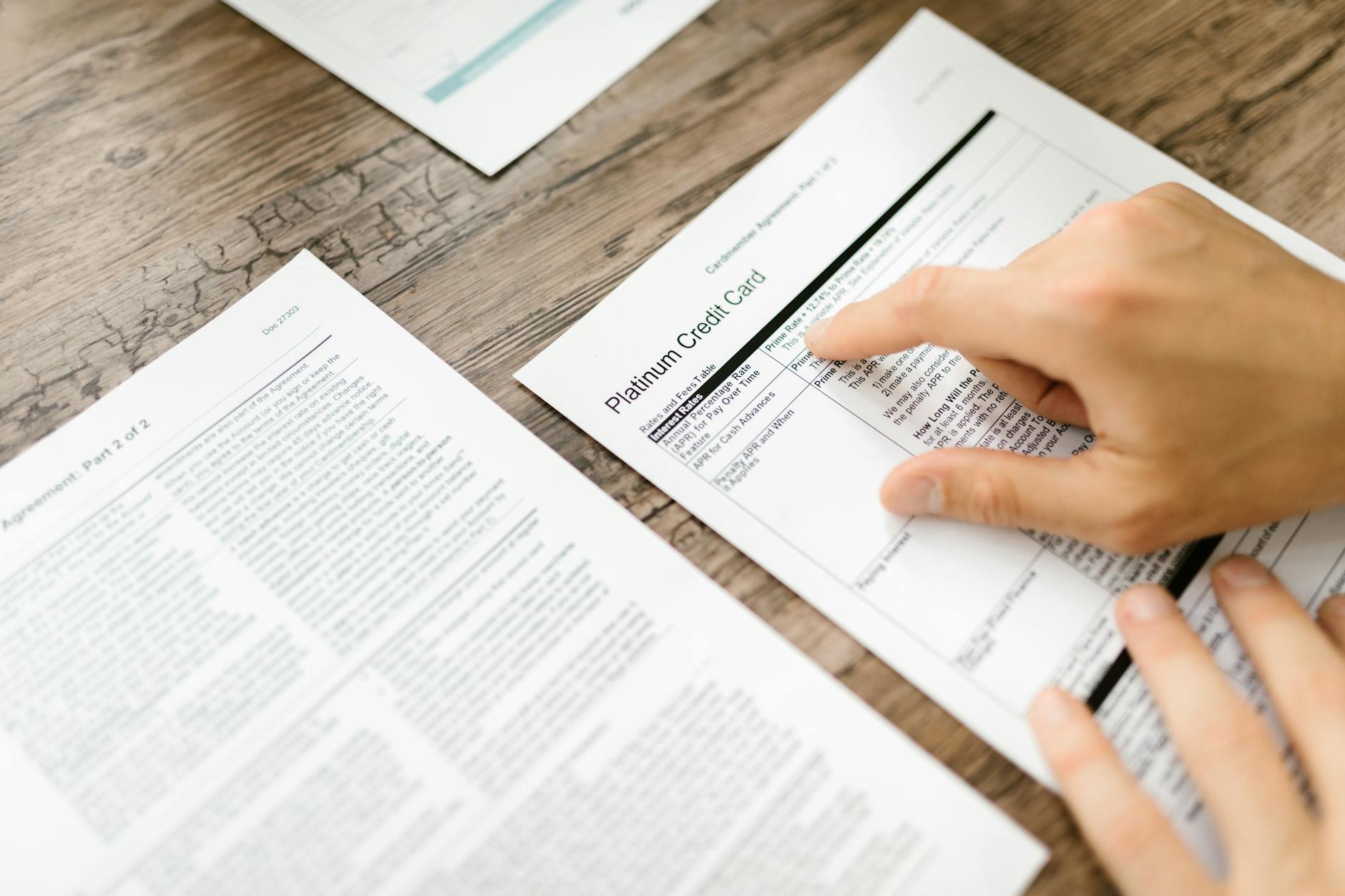
Understanding German bank account fees is crucial for expats navigating the German banking system in 2026. With new regulations and evolving fee structures, many international residents face unexpected charges that can significantly impact their finances.
The German banking landscape has undergone substantial changes, with traditional banks adjusting their pricing models while digital banks continue to offer competitive alternatives. For expats, these hidden costs can add up to hundreds of euros annually if not properly understood and managed.
Understanding German Banking Fee Structures in 2026
German banks operate under various fee models that can confuse newcomers. The most common structure includes monthly maintenance fees, transaction costs, and service charges that vary significantly between institutions.
Traditional banks like Deutsche Bank and Commerzbank typically charge monthly account maintenance fees ranging from €4.90 to €12.90 for basic current accounts. However, these fees can be waived if you meet specific conditions such as maintaining minimum balances or having regular salary deposits.
Digital banks have disrupted this model by offering fee-free accounts with minimal conditions. N26 Bank provides completely free standard accounts with no monthly fees, making it an attractive option for cost-conscious expats.
International transaction fees represent another significant cost category. While domestic transfers within Germany are typically free or very low-cost, international transfers can range from €10 to €25 per transaction, plus exchange rate markups.
Comparison of Major German Bank Fees
Let’s examine the fee structures of Germany’s most popular banks for expats in 2026:
| Bank | Monthly Fee | ATM Withdrawals | International Transfer | Card Replacement |
|---|---|---|---|---|
| Deutsche Bank | €6.90 | €2.00 (non-DB ATMs) | €12.50 | €15.00 |
| Commerzbank | €4.90 | €1.95 (non-CB ATMs) | €10.00 | €10.00 |
| N26 | €0.00 | Free (3-5 per month) | €0.10 | €6.00 |
| C24 Bank | €0.00 | Free (4 per month) | €1.00 | €9.90 |
| ING DiBa | €0.00 | Free (ING ATMs) | €5.00 | €10.00 |
C24 Bank stands out as another excellent digital option, offering fee-free banking with competitive international transfer rates and generous ATM withdrawal allowances.
Hidden Costs That Catch Expats Off Guard
Beyond the obvious monthly fees, several hidden costs can surprise unsuspecting expats. Account closure fees are one such charge, with some banks demanding €10-30 to close an account, even if you’re moving abroad permanently.
Paper statement fees have become increasingly common, with banks charging €1-3 monthly for physical statements. Most institutions now push customers toward digital statements to avoid these costs.
Overdraft fees represent another significant expense. German banks typically charge 8-15% annual interest on overdrafts, plus additional fees for each overdraft transaction. Some banks also impose daily fees for maintaining negative balances.
Currency exchange markups often go unnoticed but can be substantial. When using your German debit card abroad, banks typically apply exchange rates 2-4% above the interbank rate, effectively creating a hidden fee on every foreign transaction.
To offset some of these costs, savvy expats use cashback services like Shoop Cashback when making online purchases, earning back a percentage of their spending.
Strategies to Minimize Banking Fees
The most effective strategy for reducing banking fees is choosing the right bank from the start. Digital banks like N26 offer transparent fee structures with minimal charges, making them ideal for expats who primarily bank online.
Maintaining the minimum balance requirements can waive monthly fees at traditional banks. However, calculate whether the opportunity cost of tying up funds exceeds the fee savings, especially in today’s interest rate environment.
Bundling services can reduce overall costs. Many banks offer package deals that include current accounts, credit cards, and insurance products at discounted rates. However, only consider bundling if you actually need all included services.
Regular fee audits help identify unnecessary charges. Review your monthly statements to spot recurring fees you might have forgotten about, such as unused premium account features or additional card services.
Special Considerations for Expats
Expats face unique banking challenges that can increase costs. Multi-currency needs often require specialized accounts or services, which traditional banks charge premium fees for accessing.
Documentation requirements for account opening can be more complex for expats, potentially leading to delays or additional verification fees. Some banks charge extra for processing foreign documents or conducting enhanced due diligence procedures.
Credit building as an expat often requires patience and potentially higher fees initially. Without German credit history, banks may offer accounts with higher fees or require security deposits for credit products.
Tax reporting obligations can create additional costs. Some banks charge fees for providing statements in specific formats required for international tax compliance or charge for historical transaction data needed for tax filings.
Future Trends in German Banking Fees
The German banking sector continues evolving, with fee structures adapting to digital transformation and regulatory changes. Open banking regulations are encouraging more competition, potentially driving down fees across the industry.
Negative interest rates on savings accounts have become more common, effectively creating a fee for holding large cash balances. This trend is expected to continue as the European Central Bank maintains its monetary policy stance.
Subscription-based banking models are gaining popularity, where customers pay fixed monthly fees for comprehensive banking services. This approach can offer better predictability for budget-conscious expats.
Environmental and social governance (ESG) factors are influencing banking fees, with some institutions offering fee reductions for customers who meet certain sustainability criteria or use digital-only services.
What are the typical monthly fees for German bank accounts in 2026?
Monthly fees vary significantly between bank types. Traditional banks like Deutsche Bank charge €6.90 monthly, while digital banks like N26 and C24 Bank offer completely free accounts with no monthly maintenance fees.
Which German bank has the lowest fees for expats?
Digital banks generally offer the lowest fees for expats. N26 and C24 Bank provide fee-free accounts with minimal charges for international transfers and ATM withdrawals, making them ideal for cost-conscious expats.
Are there hidden fees I should watch out for as an expat in Germany?
Yes, common hidden fees include paper statement charges (€1-3 monthly), account closure fees (€10-30), currency exchange markups (2-4%), and overdraft fees (8-15% annually plus transaction fees).
How can I avoid paying high banking fees in Germany?
Choose digital banks with transparent fee structures, maintain minimum balances to waive fees, use in-network ATMs, opt for digital statements, and regularly review your account for unnecessary charges.
Do I need to pay taxes on my German bank account as an expat?
Yes, as a German resident, you must declare interest earned on German bank accounts. Some banks charge fees for providing tax-compliant statements or historical transaction data needed for tax filings.
Featured image by RDNE Stock project via Pexels.
Leave a Reply