Your German Tax ID is one of the most important numbers you’ll need as a resident in Germany. If you live or work in Germany, you will need to know two crucial numbers related to taxes: the Steueridentifikationsnummer (Tax ID) and the Steuernummer (Tax Number). These numbers are essential for handling tax-related matters, including employment, freelancing, and business operations.
- Understanding Your German Tax ID vs Tax Number
- How to Get Your German Tax ID
- How to Obtain Your German Tax Number
- What to Do If You Lost Your German Tax ID
- Where to Find Your Tax Numbers on Official Documents
- Important 2026 Updates for German Tax ID
- Managing Your Tax Information Effectively
- Common Mistakes to Avoid with Your German Tax ID
- Conclusion
- Frequently Asked Questions
Understanding the difference between these numbers and knowing how to obtain them can save you time and prevent complications with German bureaucracy. This comprehensive guide will walk you through everything you need to know about your German Tax ID and Tax Number in 2026.
Understanding Your German Tax ID vs Tax Number
Many expats get confused between the German Tax ID and the Tax Number, but they serve different purposes in the German tax system. Let’s break down the key differences to help you understand which number you need for specific situations.
What is the Tax ID (Steueridentifikationsnummer)?
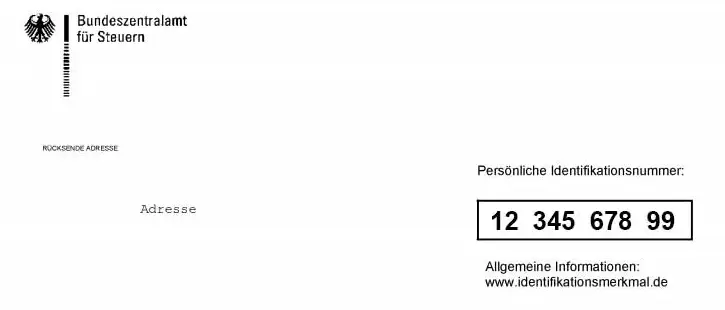
The German Tax ID is an 11-digit number assigned to individuals by the Federal Central Tax Office (Bundeszentralamt für Steuern – BZSt). This number remains with you for life, regardless of where you move within Germany or even if you leave the country temporarily.
You need your German Tax ID for:
- Registering with an employer for payroll purposes
- Filing annual tax returns
- Opening a bank account with providers like N26 Bank or C24 Bank
- Applying for social benefits and government support
- Setting up investment accounts and savings plans
What is the Tax Number (Steuernummer)?
The Tax Number is a 10- to 11-digit number assigned by your local tax office (Finanzamt). Unlike the German Tax ID, this number may change if you move to a different city or region within Germany.
If you are a freelancer or run a business, you will receive a separate Tax Number specifically for business use. This number must appear on all invoices and business-related tax declarations.
How to Get Your German Tax ID
Obtaining your German Tax ID is usually an automatic process, but the method depends on your specific situation. Here’s what you need to know for different scenarios.
For New Residents and Expats
If you are moving to Germany in 2026, you will receive your German Tax ID automatically by mail within two to four weeks after completing your Anmeldung Step by Step: How to Register Your Address in Germany. You do not need to apply separately or visit any office.
The process is completely automated once you register your address at the Einwohnermeldeamt (residents’ registration office). Make sure your address registration is accurate, as this is where your German Tax ID will be sent.
For Newborns in Germany
Children born in Germany automatically receive their German Tax ID by mail within a few weeks after birth. Parents don’t need to take any additional steps – the system generates the number based on birth registration data.
Keep this number safe, as your child will need it throughout their life for various financial and tax-related matters, including opening their first bank account or starting their first job.
How to Obtain Your German Tax Number
Getting a Tax Number depends on your employment status and tax obligations. The process differs significantly between employees and self-employed individuals.
For Employees
If you are employed, your employer will handle most tax-related paperwork using your German Tax ID. You typically don’t need a separate Tax Number unless you have additional income sources or plan to file complex tax returns.
However, if you want to optimize your tax situation using software like WISO Steuer or WISO Steuer, you might need additional tax numbers for specific deductions or investment income.
For Self-Employed and Freelancers
If you are self-employed or working as a freelancer, you must apply for a Tax Number at your local Finanzamt (tax office). This involves submitting a Fragebogen zur steuerlichen Erfassung (Tax Registration Form).
In 2026, this process can be completed online via ELSTER (the German tax portal), making it more convenient than ever. You’ll need to provide details about your business activities, expected income, and other relevant information.
What to Do If You Lost Your German Tax ID
Losing important documents happens to everyone, but recovering your German Tax ID is straightforward if you know the right steps to take.
Quick Recovery Methods
Before requesting a new copy, check these common locations where your German Tax ID might be found:
- Your income tax statement (Einkommensteuerbescheid) from previous years
- Recent payslips (Lohnabrechnung) from your employer
- Bank statements or correspondence from your bank
- Insurance documents or correspondence
- Previous tax software files or returns
Official Recovery Process
If you cannot find your German Tax ID in existing documents, you can request a new copy from the Federal Central Tax Office (BZSt) through several methods:
- Online via the official BZSt website (fastest method in 2026)
- By mail with a written request including your personal details
- In person at your local Finanzamt with valid identification
The processing time for a new German Tax ID request can take several weeks, so plan accordingly if you need it for urgent matters like How to Find a Job in Germany: A Complete Guide.
Where to Find Your Tax Numbers on Official Documents
Knowing where to look for your tax numbers on various documents can save you time and frustration when you need them quickly.
Locating Your German Tax ID
Your German Tax ID typically appears on:
- Income tax notices and assessments
- Monthly payslips from your employer
- Social security correspondence
- Bank account opening confirmations
- Insurance policy documents
- Government benefit notifications
Finding Your Tax Number
Your Tax Number appears on:
- Tax assessment notices from your local Finanzamt
- Official tax-related correspondence
- Business registration documents (for self-employed individuals)
- VAT registration certificates
- Annual tax return confirmations
Important 2026 Updates for German Tax ID
The German tax system continues to evolve, and 2026 brings several important updates that affect how you use your German Tax ID.
Digital Integration Improvements
In 2026, the integration between your German Tax ID and various financial services has become more seamless. When opening accounts with modern banks like N26 Bank or C24 Bank, the verification process using your Tax ID is now faster and more automated.
Additionally, credit card applications through services like Credit Card Comparison now require your German Tax ID for improved fraud prevention and compliance.
Insurance and Vehicle Registration
Your German Tax ID is increasingly required for various insurance applications, including car insurance through providers like HUK24 Car Insurance. When comparing policies via Car Insurance Compare, having your Tax ID readily available speeds up the application process.
Managing Your Tax Information Effectively
Keeping track of your German Tax ID and related information is crucial for smooth financial operations in Germany. Here are some best practices for 2026.
Digital Storage Solutions
Consider storing your tax information digitally using secure cloud storage or password managers. This ensures you always have access to your German Tax ID when needed for applications or official procedures.
Many expats also benefit from using dedicated tax software like WISO Steuer or WISO Steuer to keep all tax-related information organized in one place.
Regular Document Updates
Make sure to update your German Tax ID information with all relevant institutions whenever you change address or employment status. This includes banks, insurance providers, and government agencies.
For those planning long-term residence, understanding the tax implications is essential when considering Step-by-Step Guide to Applying for German Citizenship.
Common Mistakes to Avoid with Your German Tax ID
Understanding potential pitfalls can help you avoid complications with your German Tax ID and tax obligations.
Mixing Up the Numbers
Never use your German Tax ID and Tax Number interchangeably. The Tax ID is for personal identification, while the Tax Number is linked to your local tax office and specific tax obligations. Using the wrong number can cause delays and confusion.
Forgetting to Notify Changes
While your German Tax ID remains constant, you must notify relevant authorities when your circumstances change. This includes marriage, divorce, change of name, or significant changes in income.
For international transfers or sending money abroad, services like TapTap Send (use promo code IQBAL12 for a €10-€15 bonus when sending €50 or more) may require your Tax ID for compliance purposes.
Conclusion
Understanding and properly managing your German Tax ID and Tax Number is essential for successful financial life in Germany. The German Tax ID is permanent and assigned by the Federal Central Tax Office, while the Tax Number is issued by your local tax office and may change when you relocate.
In 2026, the digital integration of these numbers has made many processes more efficient, from banking to insurance applications. Always keep these numbers safe and accessible, and don’t hesitate to request replacements if needed. Whether you’re just starting your journey in Germany or have been here for years, properly managing your tax identification ensures smooth interactions with German bureaucracy and financial institutions.
Remember to leverage modern tools and services to make your tax obligations easier to manage, and stay informed about updates to the German tax system that might affect how you use your German Tax ID in the future.
Frequently Asked Questions
What is the difference between a German Tax ID and Tax Number?
Your German Tax ID (Steueridentifikationsnummer) is a permanent 11-digit number assigned to you for life, while the Tax Number (Steuernummer) is used for specific tax matters and can change. The Tax ID is used for employment and general identification, whereas the Tax Number is required for tax returns and self-employment activities.
How long does it take to receive my German Tax ID in 2026?
After registering your address (Anmeldung) in Germany, you should receive your German Tax ID automatically by mail within 2-6 weeks. The letter is sent by the Federal Central Tax Office (Bundeszentralamt für Steuern) to your registered address. If you don’t receive it within 6 weeks, contact your local tax office.
Can I work in Germany without a Tax ID?
You can start working temporarily without your Tax ID, but you’ll be placed in the highest tax bracket (Tax Class VI) until you provide it to your employer. This results in higher tax deductions from your salary. Once you receive and submit your Tax ID, your employer will adjust your tax class and you can claim back overpaid taxes.
What should I do if I lost my German Tax ID letter?
If you’ve lost your Tax ID letter, you can request a replacement online through the Federal Central Tax Office website or call their hotline at 0228 406-1240. You’ll need to provide personal information like your name, address, and date of birth for verification. The replacement letter will be sent to your registered address within a few days.
Do I need both Tax ID and Tax Number for freelancing in Germany?
Yes, as a freelancer in Germany, you need both numbers. Your Tax ID is required for general identification and invoicing, while you need to obtain a separate Tax Number from your local tax office (Finanzamt) for filing tax returns and business-related tax matters. The Tax Number is specifically issued for your freelance activities.
Will my German Tax ID change if I move within Germany?
No, your German Tax ID remains the same regardless of how many times you move within Germany. It’s a lifetime identifier that follows you throughout your residence in Germany. However, you must always update your address registration (Ummeldung) when you move, and inform your tax office of address changes for tax-related correspondence.
Leave a Reply