
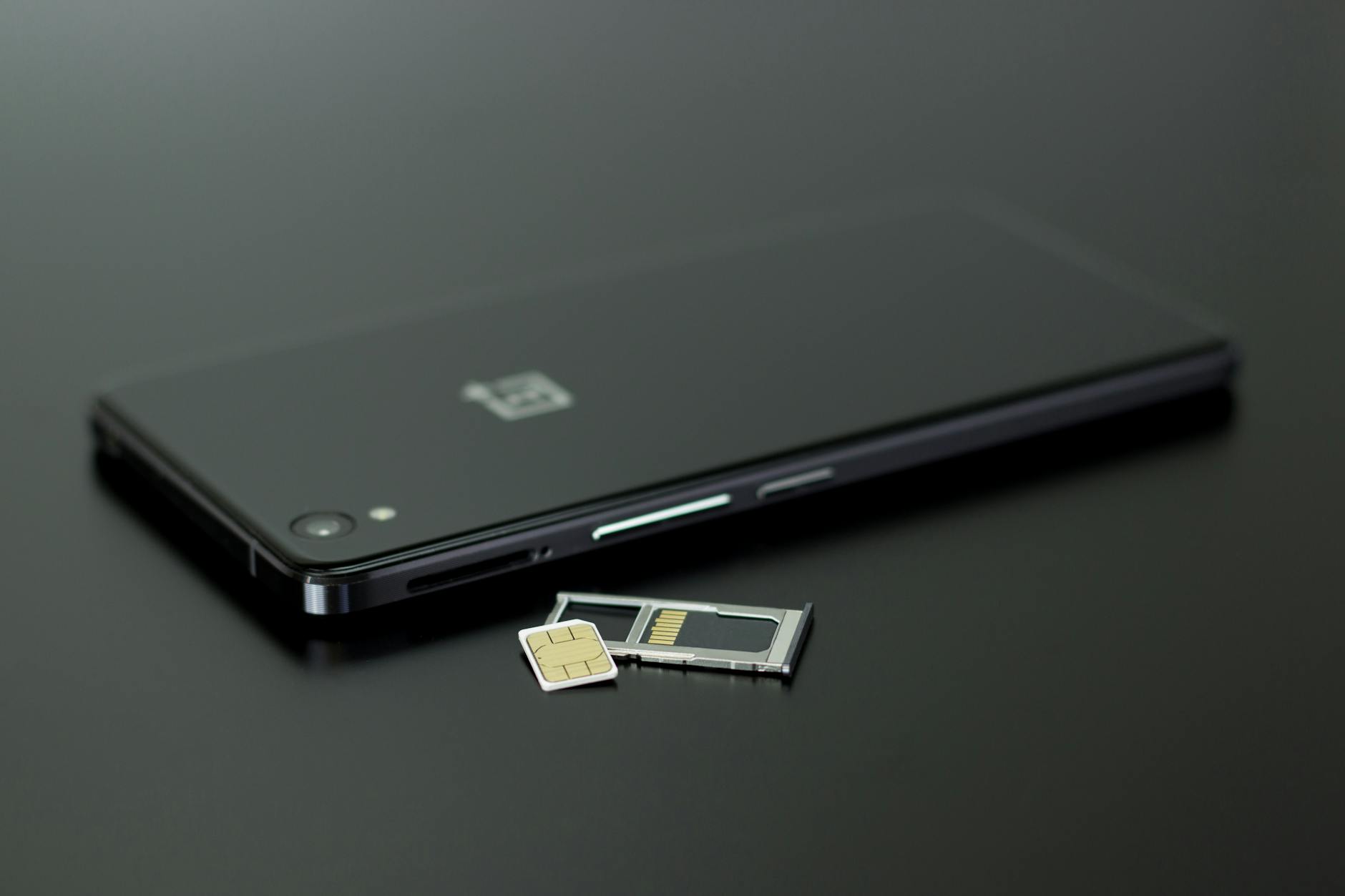
Prepaid SIM cards in Germany are the smartest first step for any expat arriving in 2026 who wants instant mobile connectivity without the paperwork, credit checks, or long-term commitments that traditional German contracts demand. Whether you just landed or you are still planning your move, this complete guide covers everything you need to know to pick the right plan and stay connected from day one.
- Why Prepaid SIM Cards in Germany Are Ideal for Expats
- Top German Mobile Networks to Know in 2026
- Best Prepaid SIM Cards in Germany for Expats in 2026
- How to Choose the Right Prepaid SIM Card in Germany
- Step-by-Step: Getting Your Prepaid SIM Card in Germany
- Managing Costs and Topping Up Your Prepaid Account
- Other Costs to Plan for as a New Expat in Germany
- Common Mistakes to Avoid With Prepaid SIM Cards in Germany
- Final Thoughts on Prepaid SIM Cards in Germany
- Frequently Asked Questions
Why Prepaid SIM Cards in Germany Are Ideal for Expats
Moving to Germany already involves enormous amounts of bureaucracy — Anmeldung, bank accounts, health insurance, and more. Getting a mobile plan should not add to that stress. Prepaid SIM cards in Germany can be purchased and activated with nothing more than a valid passport, making them the easiest connectivity option for newcomers.
Unlike postpaid contracts, prepaid plans require no SCHUFA credit check, no proof of income, and no German bank account. You simply buy a starter pack, verify your identity, and you are online within hours. This is a massive advantage for expats who have not yet completed their registration or opened a local bank account.
Prepaid plans also give you complete cost control. You pay only for what you use or what you select each month, with no surprise bills at the end of the cycle. For expats still figuring out their monthly budget in a new country, this financial predictability is invaluable.
Top German Mobile Networks to Know in 2026
Telekom — Best Coverage Nationwide
Telekom operates Germany’s most extensive network, covering over 99% of the population and offering the strongest rural and indoor signal quality. If you travel frequently within Germany or live outside a major city, Telekom’s infrastructure is hard to beat. Their 5G rollout is the most advanced of the three major carriers in 2026.
Prepaid plans on the Telekom network start from around €9.95 per month and include EU roaming as standard. Premium coverage does come at a slightly higher price point, but for many expats, the reliability is worth every cent.
Vodafone — Balanced Urban Performance
Vodafone provides Germany’s second-largest network with excellent urban coverage and solid performance in suburban areas. Their prepaid plans are known for flexibility, allowing you to adjust your monthly bundle based on your actual needs. Vodafone also stands out for offering customer support in multiple languages, making them particularly expat-friendly.
International calling packages on Vodafone are competitive, which matters a great deal for expats who regularly call family back home. Their data speeds in major cities like Berlin, Munich, and Frankfurt are consistently strong.
O2 — Budget-Friendly Urban Option
O2, part of the Telefónica group, operates Germany’s third-largest network and focuses on value-oriented plans. Urban coverage is solid, though rural signal can be weaker compared to Telekom. For city-based expats looking to minimize costs, O2-based plans frequently offer the lowest prices with generous data allowances and unlimited data tiers at attractive price points in 2026.
Best Prepaid SIM Cards in Germany for Expats in 2026
Klarmobil — Multi-Network Flexibility
Klarmobil is one of the most versatile prepaid providers in Germany because it lets you choose your preferred underlying network — Telekom, Vodafone, or O2. This is a rare and powerful feature that allows you to prioritize coverage or price based on where you live and work.
Plans start from just €7.99 per month, with no connection fees or hidden charges. Klarmobil’s activation process is straightforward and can be completed fully online, which is convenient for expats who are still settling in. Large data packages at competitive prices make this provider one of the top picks for budget-conscious expats in 2026.
Congstar — Telekom Quality at Lower Cost
Congstar runs on the Telekom network, meaning you get premium coverage at a more affordable price point. Plans start from €10 per month and include unlimited calls and texts plus generous data allowances. EU roaming is included at no extra cost, making Congstar an excellent choice for expats who frequently travel within Europe for work or leisure.
Monthly cancellation is standard, and account management through their app is smooth and intuitive. For expats who want Telekom’s reliable signal without paying Telekom’s full prices, Congstar is the smart middle ground.
LIDL Connect — Simple and Affordable
LIDL Connect operates on the Vodafone network and has built a loyal following among expats for its transparent, no-frills pricing. At €9.99 per month for 10GB with unlimited calls and texts, it delivers solid everyday value. You can pick up a starter pack at any LIDL store across Germany, making it one of the most accessible options for new arrivals.
EU roaming is included, and the plan management app is user-friendly even for those still learning German. LIDL Connect is especially popular among expats who want to avoid online-only activation processes.
ALDI TALK — Best Discount Retailer Option
ALDI TALK runs on the O2 network and offers large data packages starting from €7.99. Competitive international calling rates make it attractive for expats with family in non-EU countries. Regular promotional offers mean prices can drop even further during certain periods of the year, and the wide availability of ALDI stores across Germany makes purchasing and topping up extremely convenient.
To compare all available prepaid plans side by side and find the current best deal, use Check24 Mobile, which aggregates offers from dozens of providers in real time.
How to Choose the Right Prepaid SIM Card in Germany
Evaluate Your Data Needs Honestly
Modern expat life demands significant data usage. Working remotely, using Google Maps daily, video calling family, and streaming entertainment all consume data quickly. As a rough guide: light users need 1–3GB monthly, medium users need 5–15GB, and heavy remote workers or frequent streamers should look at 20GB or more.
Do not underestimate your usage and get stuck with a throttled connection mid-month. Most providers allow plan upgrades mid-cycle, but it is easier and often cheaper to start with a slightly larger plan.
Factor in International Communication
Staying in touch with home is a priority for every expat. Check each plan’s international calling rates, EU roaming allowances, and global roaming conditions before committing. Some plans include free minutes to select countries, which can generate significant monthly savings.
For sending money internationally to family back home, consider using TapTap Send with promo code IQBAL12 to receive a €10–€15 bonus when you send €50 or more. It is one of the most cost-effective remittance tools available to expats in Germany in 2026.
Check Network Coverage in Your Area
Coverage maps from each provider are freely available online. Check the specific areas where you live, work, and commute — not just major cities. If you live in a smaller town or rural region, Telekom’s network (accessed via Telekom or Congstar or Klarmobil on the Telekom option) is almost always the safest bet for consistent signal quality.
Step-by-Step: Getting Your Prepaid SIM Card in Germany
What You Need to Buy a SIM
German regulations require identity verification for all SIM purchases. You will need a valid passport or EU identity card. For online purchases, additional verification is usually done via video call (VideoIdent) or at a post office (PostIdent). In-store purchases often allow on-the-spot verification, making them faster for new arrivals.
Where to Buy
Prepaid SIM starter packs are available at electronics chains like MediaMarkt and Saturn, supermarkets including LIDL, ALDI, and REWE, pharmacy retailers like DM and Rossmann, dedicated mobile provider stores, and online through provider websites. Starter packs typically cost between €9.99 and €19.99 and include your first data or calling credit.
Activation Steps
After purchasing your SIM, insert it into your unlocked phone and follow the provider’s activation instructions via SMS or their app. Complete the identity verification step, choose your first monthly plan, and top up your account balance. Most SIM cards are active within 24 hours, with many providers now offering same-day activation in 2026.
Managing Costs and Topping Up Your Prepaid Account
Set Up Automatic Top-Up
To avoid unexpected service interruptions, set up automatic top-up through a credit card or PayPal where supported. Some providers also support direct debit from a German bank account, which is the most seamless option once you are settled.
If you have not yet opened a German bank account, consider N26 Bank or C24 Bank. Both are digital banks that offer quick account setup for expats without requiring an in-person branch visit, and both are accepted for direct debit with major mobile providers.
Use Cashback Platforms to Save More
Many mobile providers partner with cashback platforms, meaning you can earn money back on your monthly plan costs. Shoop Cashback and iGraal Cashback both list mobile plan deals with cashback offers that can reduce your effective monthly cost significantly. Signing up takes just a few minutes and is well worth the effort for long-term savings.
You can also collect loyalty points on everyday purchases by signing up for PAYBACK, which partners with multiple German retailers and service providers including mobile brands.
Other Costs to Plan for as a New Expat in Germany
Your mobile plan is just one piece of your monthly budget. As you settle in, you will also need to think about utilities, insurance, and banking. For electricity and gas, compare current rates using the Electricity Provider and Gas Provider comparison tools. Our guide to the Cheapest Electricity Providers in Germany: Complete Guide for Expats is a great starting point.
If you own or plan to buy a car in Germany, compare HUK24 Car Insurance alongside other providers using the Car Insurance Compare tool to find the best rate. Renter’s insurance is also highly recommended — read our guide to Hausratversicherung Germany: Complete Guide for Expats to understand what is covered and how to choose a policy.
For credit cards without foreign transaction fees, which are very useful when shopping online or traveling in Europe, check our Credit Card Options in Germany: A Complete Guide or go directly to the Advanzia Mastercard, which is free and has no annual fee. You can also use the Credit Card Comparison tool to find the best option for your spending habits.
For comprehensive comparisons across insurance, finance, and utilities, Check24, Verivox, and Tarifcheck are the three most trusted German comparison platforms and are available in English-friendly interfaces.
For travel planning during your time in Germany, Check24 Travel offers competitive package holiday and flight deals across Europe and beyond.
Common Mistakes to Avoid With Prepaid SIM Cards in Germany
Misunderstanding Fair Use Policies
Plans advertised as “unlimited” almost always include a fair use threshold, after which speeds are throttled to 64Kbps or 384Kbps. This is enough for messaging but not for video streaming or video calls. Always read the fine print and know your actual high-speed data cap before choosing a plan.
Forgetting EU Roaming Limits
EU roaming is included with most plans, but fair use rules also apply here. Extended use of your German SIM card outside Germany — for example, during a long holiday abroad — may trigger additional charges. Check your provider’s specific roaming policy to avoid surprises on your next top-up.
Not Comparing Before Buying
Prices and promotions change constantly. What was the best deal three months ago may no longer be competitive today. Always compare current offers using Check24 Mobile or Verivox before committing to any plan. Spending ten minutes comparing can easily save you €5–10 every month.
Final Thoughts on Prepaid SIM Cards in Germany
Prepaid SIM cards in Germany remain the most practical and flexible mobile solution for expats in 2026. With options across every network, every budget, and every data requirement, there is no reason to lock yourself into a long-term contract before you have fully settled into your new life.
Start with a comparison on Check24 Mobile, pick a plan that matches your real usage needs, and take advantage of cashback platforms and promotional offers to minimize your monthly spend. Reliable connectivity is one of the most important foundations of a successful expat experience in Germany — and with prepaid SIM cards, getting it has never been easier.
Frequently Asked Questions
What documents do I need to buy prepaid SIM cards in Germany?
You only need a valid passport or national ID card to purchase and activate a prepaid SIM card in Germany. No SCHUFA credit check, German bank account, or proof of address is required. Identity verification is typically completed online via video call or at the point of sale, and takes just a few minutes.
Which network offers the best prepaid SIM cards in Germany for expats in 2026?
The three main networks — Telekom, Vodafone, and O2 — all offer strong prepaid options, with Telekom generally providing the widest 5G coverage across Germany including rural areas. Discount brands like Aldi Talk, Lidl Connect, and EDEKA mobil run on these same networks at lower prices. Your best choice depends on where you live, how much data you need, and your budget.
Where can I buy a prepaid SIM card in Germany?
Prepaid SIM cards are widely available at supermarkets like Aldi, Lidl, and Rewe, as well as electronics stores such as MediaMarkt and Saturn, and official carrier stores in most city centers. Many starter packs are also available online and shipped to a German address. Prices for starter packs typically range from €10 to €30 and often include an initial data allowance.
Can I use a German prepaid SIM card for roaming in the EU?
Yes, EU roaming regulations require all German providers to allow you to use your prepaid data and call allowance across EU and EEA countries at no extra charge, under the Roam Like At Home rules still in effect in 2026. Some fair use limits may apply if you use roaming more than your home usage, so check your provider’s specific policy. Roaming outside the EU typically incurs additional charges.
How do I top up and manage my prepaid SIM in Germany?
Most German prepaid providers offer top-ups via their app, website, PayPal, bank transfer, or physical vouchers sold at supermarkets and kiosks. Many plans also support automatic monthly renewal (Autoaufladung) linked to a credit or debit card, which prevents unexpected interruptions to your service. Managing your balance, data usage, and plan changes is usually handled through the provider’s app available in English and German.
Should I switch from a prepaid plan to a postpaid contract after settling in Germany?
Many expats transition to a postpaid contract once they have completed their Anmeldung, opened a German bank account, and built up some local credit history, as contracts typically offer more data for lower monthly costs. However, prepaid plans in 2026 are competitive enough that some expats stay on them long-term for the flexibility of no commitment. Evaluate whether the savings on a 24-month contract outweigh the loss of flexibility before switching.
Leave a Reply