
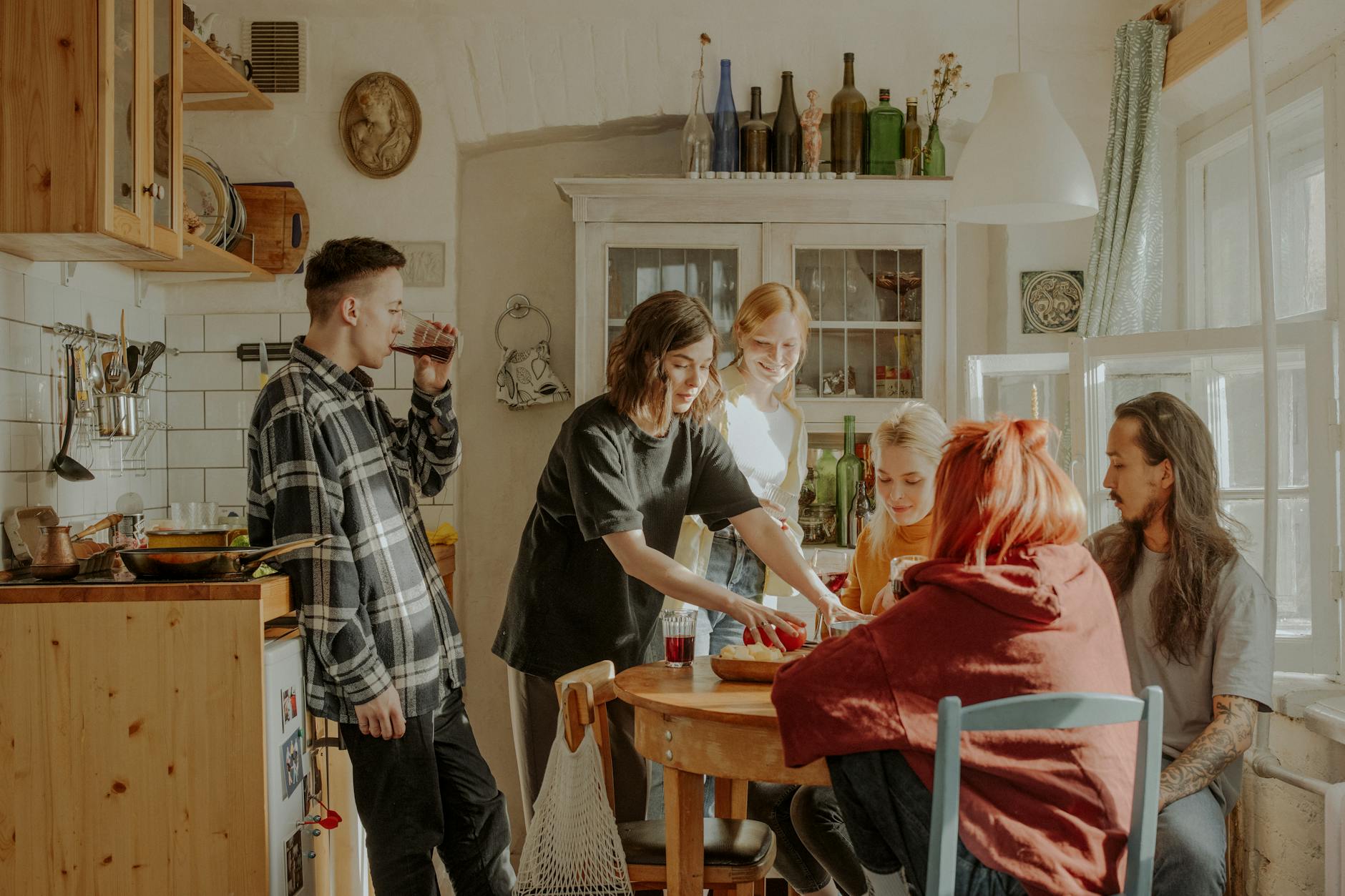
A WG in Germany — short for Wohngemeinschaft (shared apartment) — is the most practical and affordable way to live for students, young professionals, and newcomers arriving in 2026. You rent a private room in a shared apartment, splitting costs like rent, utilities, and internet with your flatmates. It is a setup that saves money, builds community, and eases the transition into German life.
- What Is a WG in Germany?
- How Much Does a WG Room Cost in 2026?
- Where to Find a WG in Germany
- How to Write a Winning WG Application
- The WG Viewing (Besichtigung)
- WG Contracts: What You Need to Know
- Setting Up Your Finances for a WG in Germany
- Utilities and Internet in Your WG
- Insurance You Should Have When Living in a WG
- Living in a WG: German Flatmate Etiquette
- Common Mistakes to Avoid When Finding a WG in Germany
- Next Steps After Finding Your WG in Germany
- Frequently Asked Questions
WGs are incredibly common across Germany, especially in university cities. But finding a good one as a foreigner can be competitive and confusing — particularly if you do not know the unwritten rules. This guide walks you through everything: where to search, how to write a standout application, what to check in a contract, how to handle your finances, and how to be a good flatmate in Germany.
What Is a WG in Germany?
A WG (Wohngemeinschaft) is a shared apartment where each person has their own private bedroom but shares common areas — kitchen, bathroom, living room, and sometimes a balcony. Each flatmate typically pays a fixed monthly amount called Warmmiete (warm rent), which usually includes their share of utilities, heating, and internet.
WGs come in many forms:
- Student WG — the most common type, especially in university cities. Usually younger residents, social atmosphere, lower rent.
- Professional WG — working adults who prefer a quieter home. Higher standards for cleanliness and noise levels.
- Themed WG — flatshares organised around shared interests, such as vegan living, sports, or international residents only.
- Zweck-WG — purely practical flatshare where flatmates mostly keep to themselves. Common in larger cities.
If you are also considering studying while living in a WG, read our guide on How to Study in Germany for Free: Complete Guide for International Students 2026 for a broader picture of costs and options.
How Much Does a WG Room Cost in 2026?
Rental prices have risen across Germany, but WGs remain significantly cheaper than renting a full apartment alone. Here is an updated overview of average WG room costs (Warmmiete) by city in 2026:
| City | Average WG Room (Warmmiete) | Range |
|---|---|---|
| Munich | €950–€1,150/month | €750–€1,600+ |
| Berlin | €750–€950/month | €550–€1,300+ |
| Hamburg | €800–€1,000/month | €600–€1,400+ |
| Frankfurt | €800–€1,050/month | €650–€1,500+ |
| Cologne | €700–€900/month | €500–€1,200+ |
| Leipzig / Dresden | €450–€650/month | €350–€850+ |
These prices typically include utilities such as heating, water, and electricity. Always confirm exactly what is included in your Warmmiete before agreeing to anything. Some listings only show Kaltmiete (cold rent), which can be misleadingly cheap.
Where to Find a WG in Germany
WG-Gesucht — The Best Platform
WG-Gesucht (wg-gesucht.de) is by far the most popular WG search platform in Germany. It lists thousands of rooms across every German city and is used by both students and professionals. Create a free profile, upload a photo, write a short introduction about yourself, and start applying. The platform is available in both English and German.
Other Platforms Worth Checking
- Studenten-WG (studenten-wg.de) — focused on student flatshares, often lower prices
- ImmoScout24 (immobilienscout24.de) — Germany’s largest property portal, includes WG rooms
- Kleinanzeigen (kleinanzeigen.de) — Germany’s equivalent of Craigslist, many private listings
- Facebook Groups — search “WG [city name]” or “Flatshare [city name]” — extremely active in Berlin, Munich, and Hamburg
- University notice boards — physical boards in university buildings and student canteens (Mensa) often have private listings not found online
- Studierendenwerk — the student services organisation at most universities manages affordable student dormitories (Studentenwohnheim). Apply early — waiting lists can be 6–12 months long in 2026
How to Write a Winning WG Application
In competitive German cities, a single WG room can attract 50–100 applications. Your message is your first impression — it needs to stand out without being too long. Personalisation is everything when it comes to a WG in Germany application.
What to Include in Your Application Message
- A personal greeting — use the flatmates’ names if listed. “Hi Sarah and Tom” beats “Hello” every time.
- Who you are — your name, where you are from, what you do (study or work), and how long you plan to stay.
- Why this specific WG — mention something specific about their listing. Generic copy-paste messages are immediately obvious and ignored.
- Your lifestyle — are you tidy? Do you cook often? Are you social or do you prefer quiet evenings? Are you a non-smoker?
- A short, friendly close — express genuine interest in meeting them and viewing the room.
Keep the message to 150–250 words. Attach a recent photo of yourself — this dramatically increases response rates on WG-Gesucht.
Example Application Message (Template)
Hi [Name(s)],
My name is [Your name], I am [age] years old and originally from [Country]. I am moving to [City] in [Month] to [study/work] at [University/Company] and I am looking for a WG until [timeframe].
Your apartment caught my eye because [specific reason — e.g., the location near the university / the cosy kitchen in the photos / the international atmosphere you described]. I am a tidy, non-smoking person who loves cooking and is happy to share meals occasionally, but also completely respects when flatmates need quiet time.
I would love to come by and see the room — and of course to meet you in person. I am available from [days/times]. Looking forward to hearing from you!
[Your name]
The WG Viewing (Besichtigung)
If your application gets a response, you will be invited to a viewing (Besichtigung). This is essentially a two-way interview — you are checking out the apartment, but the flatmates are also deciding whether they want to live with you. Treat it accordingly.
What to Check at the Viewing
- The size and condition of your room — measure if you plan to bring furniture
- Natural light and heating in your room
- The condition of the kitchen, bathroom, and shared spaces
- How clean and well-maintained the apartment generally is
- Internet connection speed — ask if they have a contract and what the speed is. If the WG does not have internet yet, you can compare home broadband deals via DSL Check24 or Verivox DSL.
- Whether there is a washing machine in the apartment or a shared laundry room in the building (Waschkeller)
- Noise levels — is it on a busy street? Near a nightclub?
- The existing flatmates — do you get a good feeling? Do your lifestyles seem compatible?
Questions to Ask the Flatmates
- What is included in the Warmmiete? (utilities, internet, any shared subscriptions)
- Are there any house rules about cleaning, guests, or quiet hours?
- How are shared cleaning duties organised?
- Is there a shared fund (WG-Kasse) for household supplies?
- Why is the current flatmate leaving?
WG Contracts: What You Need to Know
There are two main contract setups in German WGs — and understanding the difference is critical when renting a WG in Germany.
Type 1: You Sign Directly With the Landlord (Hauptmietvertrag)
The safest option. You sign your own rental contract directly with the landlord (Vermieter) for your room. Your rights are fully protected under German tenancy law (Mietrecht). The landlord cannot simply ask you to leave without following the legal notice period.
Type 2: You Sublet from a Flatmate (Untermietvertrag)
More common, but riskier. One flatmate holds the main contract with the landlord and sublets to the others. Always get a written subletting contract (Untermietvertrag) — a verbal agreement is not sufficient. Check that the main tenant has permission from the landlord to sublet.
Key Contract Points to Check
- Notice period (Kündigungsfrist) — typically 3 months for tenants, sometimes shorter by agreement
- Deposit (Kaution) — legally capped at 3 months of cold rent (Kaltmiete). Pay by bank transfer and keep the receipt.
- What is included in the rent — confirm Warmmiete includes utilities, or get the exact additional costs in writing
- Who is responsible for repairs — small repairs under a certain amount are sometimes the tenant’s responsibility
- Anmeldung permission — your contract or a separate written statement from the landlord must allow you to register your address. This is your legal right.
Setting Up Your Finances for a WG in Germany
Once you have signed your WG contract, you need a German bank account to pay rent by direct debit. Most landlords require a German IBAN, so set this up as early as possible.
N26 Bank is a fully digital bank that opens accounts online within minutes — no branch visit required, and you get a German IBAN instantly. Alternatively, C24 Bank is another excellent digital option with no monthly fees and cashback rewards.
For paying your share of bills or splitting costs with flatmates, PayPal is widely used in Germany for quick peer-to-peer transfers. If you need to send money back home to family, use TapTap Send with promo code IQBAL12 and earn a €10–€15 bonus when you send €50 or more for the first time.
Utilities and Internet in Your WG
If your WG does not include electricity or gas in the Warmmiete, you may need to set up your own contracts. Use Electricity Provider comparison tools or Gas Provider comparisons to find the cheapest deal. For more detail, see our guide to the Cheapest Electricity Providers in Germany: Complete Guide for Expats.
For home internet, Telekom offers reliable DSL and Telekom Fiber in many cities. You can also compare all providers via Check24 or Verivox for the best rates available in your area.
For your mobile plan, consider Klarmobil for affordable SIM-only deals, or compare all options at Check24 Mobile. Vodafone is another strong option with solid 5G coverage across German cities.
Insurance You Should Have When Living in a WG
Living in a shared apartment does not mean you can skip personal insurance. In fact, two types of coverage are especially relevant for WG residents.
Personal liability insurance (Haftpflichtversicherung) is one of the most important policies in Germany. If you accidentally damage a flatmate’s belongings, break something in the apartment, or injure someone, this policy covers you. Get a quote for Liability Insurance — it typically costs just €3–€7 per month and is considered essential by most Germans.
You should also consider Legal Insurance (Rechtsschutzversicherung), which covers legal fees if you ever have a dispute with your landlord over your deposit or contract terms. Tenant disputes are one of the most common reasons people in Germany use legal insurance.
For protecting your personal belongings inside the apartment, read our guide on Hausratversicherung Germany: Complete Guide for Expats — this covers theft, fire, water damage, and more.
Living in a WG: German Flatmate Etiquette
German flatshare culture has some unwritten rules that foreigners are sometimes surprised by. Following them will make your experience of a WG in Germany much more pleasant and conflict-free.
- Keep shared spaces clean — this is taken very seriously. Wash up immediately after cooking, clean the bathroom after use, and do not leave personal items in common areas for days.
- Respect quiet hours (Ruhezeiten) — in Germany, official quiet hours are typically 10pm–7am and often all day Sunday. Loud music, drilling, and noisy gatherings outside these times can lead to formal complaints from neighbours.
- Discuss, do not assume — if you want to have a guest stay over for several nights, ask your flatmates. If you are going to be unusually loud or messy, give warning.
- Contribute to the WG-Kasse — most WGs have a small shared fund for toilet paper, cleaning supplies, and kitchen basics. Contribute your fair share without being asked.
- Communicate directly — Germans generally prefer direct, honest communication over passive hints. If something bothers you, say it politely and directly rather than letting resentment build.
Common Mistakes to Avoid When Finding a WG in Germany
- Sending generic applications — copy-paste messages are immediately recognisable and go straight to the bottom of the pile. Always personalise each message.
- Not having a profile photo — on WG-Gesucht, profiles without photos get significantly fewer responses. Add a friendly, clear photo.
- Agreeing to a verbal-only arrangement — always get your agreement in writing, even if it is just an email confirmation of the key terms.
- Not checking the Anmeldung situation — some landlords or main tenants illegally refuse to allow Anmeldung. Without it, you cannot open a bank account or complete most official processes. Always confirm in writing that you can register.
- Ignoring the deposit process — when you move in and when you move out, document the condition of your room with dated photos. This protects your Kaution from unfair deductions.
Next Steps After Finding Your WG in Germany
Once you have signed your contract, act quickly on these essential steps:
- Complete your Anmeldung (address registration) within 14 days of moving in — bring your Wohnungsgeberbestätigung form signed by your landlord or main tenant.
- Open a German bank account with N26 Bank or C24 Bank to set up your rent direct debit.
- Set up liability insurance via Liability Insurance — it is affordable and essential.
- Sort out your mobile plan via Check24 Mobile or Klarmobil.
- Compare home internet deals at Verivox DSL if your WG needs a new broadband contract.
Finding and settling into a WG in Germany takes effort, but once you are in a good flatshare with compatible people, it can make your entire experience of living in Germany far more enjoyable. Take your time with the search, personalise every application, and never skip the paperwork.
Frequently Asked Questions
What does WG mean in Germany?
WG stands for Wohngemeinschaft, which translates to “shared living community” or flatshare in English. In a WG in Germany, each tenant has their own private bedroom while sharing common areas like the kitchen, bathroom, and living room with flatmates. It is one of the most popular and affordable housing options for students, expats, and young professionals across the country.
How much does a WG room cost in Germany in 2026?
WG room prices vary significantly depending on the city and location. In 2026, expect to pay roughly €600–€1,000 per month in major cities like Munich and Frankfurt, €500–€800 in Berlin and Hamburg, and €350–€600 in smaller university towns like Leipzig or Münster. These prices typically include your share of utilities such as internet, heating, and electricity.
Where is the best place to find a WG in Germany as a foreigner?
The most popular platforms for finding a WG in Germany are WG-Gesucht.de, Immoscout24.de, and Studenten-WG.de, with WG-Gesucht being the largest and most widely used by both locals and expats. Facebook groups for expats and international students in your target city are also very effective in 2026. Applying early, writing a personalized message in German or English, and including a short profile photo significantly improves your chances.
Do I need to speak German to live in a WG in Germany?
Not necessarily — many WGs in Germany, especially in university cities, are international-friendly and operate in English. However, having even basic German skills will make daily communication with flatmates and landlords much smoother. When searching for a room, some listings specifically mention “English-speaking WG” or “international welcome,” so look for those if your German is still developing.
What documents do I need to move into a WG in Germany?
Most landlords and existing flatmates will ask for a valid ID or passport, proof of income or enrollment (such as a university acceptance letter or employment contract), and a SCHUFA credit report if you have one. As a newcomer without German credit history, a Selbstauskunft (self-disclosure form) or a guarantor letter can sometimes substitute for a SCHUFA. Having these documents ready in advance speeds up the application process considerably.
What is the difference between a Hauptmieter and Untermieter in a German WG?
In a WG in Germany, the Hauptmieter (main tenant) holds the official lease with the landlord and is legally responsible for the entire apartment, including rent and any damage. An Untermieter (subtenant) signs a separate subletting agreement with the Hauptmieter rather than directly with the landlord. As an expat, you will often start as an Untermieter, which offers less legal security, so always ensure you receive a written subletting contract before paying any deposit.
Leave a Reply